E-commerce development for shops that outgrew their platform and its apps
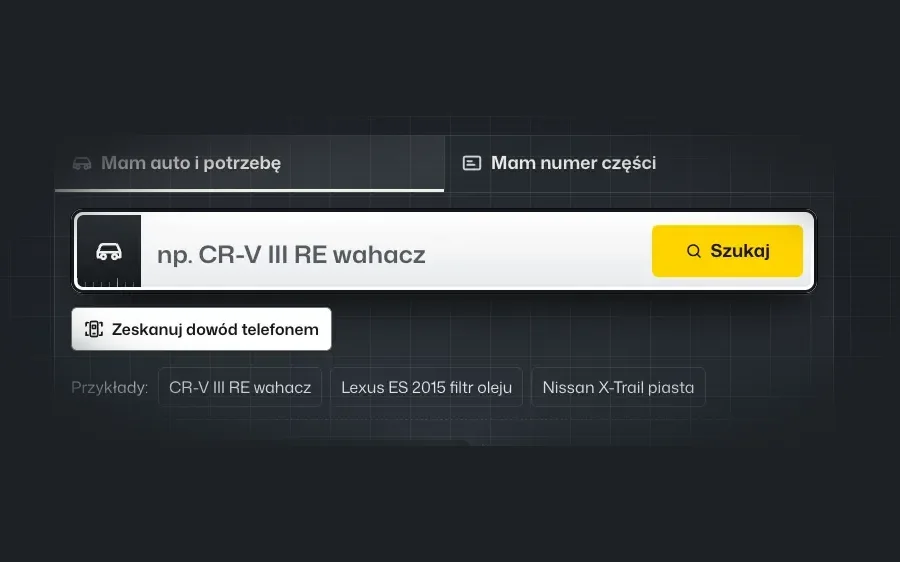
We do ecommerce website development with the back office in mind: your ERP or order system, stock, trade price lists, carriers, payments and the product feed, all connected to the shop. If a hosted platform has become the limit, we build the parts it can’t do or move you to a shop you own. One team builds it and then keeps it running. If your ERP or order system has an API, we connect it; we check that on the first call. In our auto-parts shop case: a catalogue synced from an order management system, plus InPost and DPD delivery. That shop is built and launching.
Your hosted shop does most of the job, but every gap is another app.
Shopify and platforms like it run a shop well until you need something they weren’t made for: trade price lists, stock synced with your ERP or warehouse, a link to a supplier or a carrier. Each gap gets its own paid app, and the apps don’t talk to each other.
We build the parts the platform can’t do: custom integrations, B2B pricing, ERP and stock sync. They connect to your shop through its API and are covered by tests. If the platform itself has become the limit, we move you to a shop you own and carry your page addresses over or redirect them, so Google can follow the move.
Where we’d start: a free first look at your storefront, then the one connection that removes the most manual work or the most expensive app.
- Order systemcatalogue synced in, orders sent back
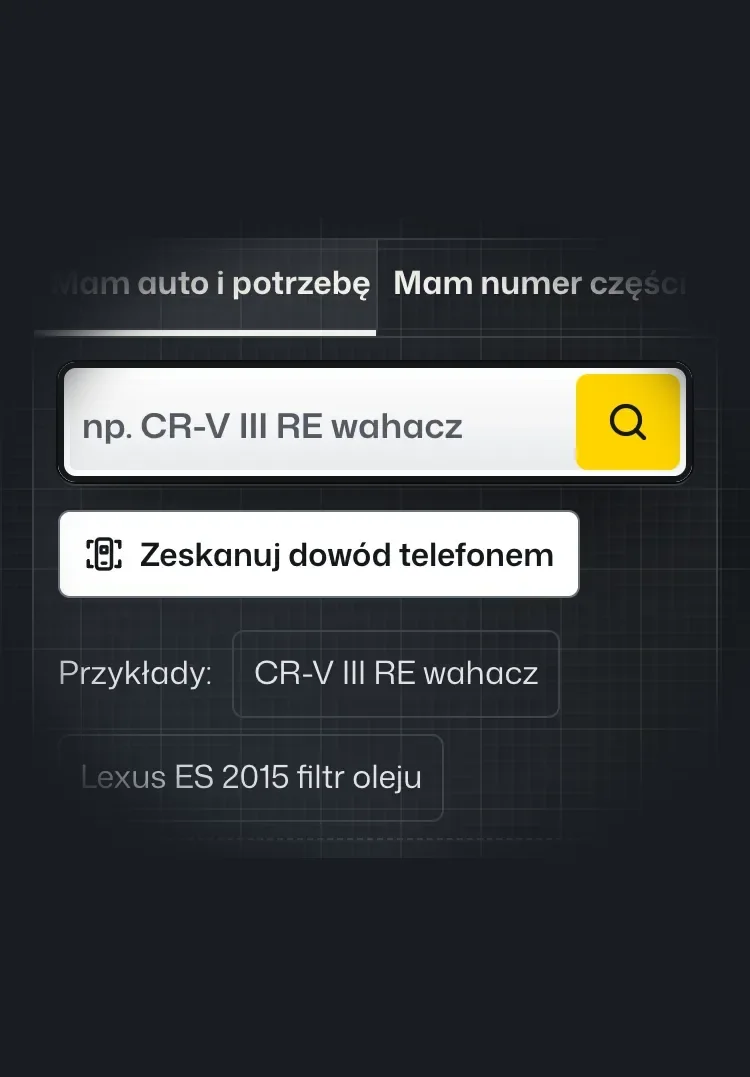
- VINor a registration-document scan finds the car
- InPost + DPDlockers, courier and oversize parts
- GPSRproduct-safety data kept in a Google Sheet
What slows an online shop down, and what we build for it
Stock on the site is wrong
The warehouse or ERP syncs once a night, or someone updates it by hand. Customers buy items that ran out at lunchtime.
What we buildA catalogue and stock sync from your ERP or order system, so the shop follows the system you already treat as the truth. In our auto-parts shop case, that system is the business’s order management system.
Trade customers get their prices by email
The shop shows one price list to everyone, so business customers phone or email for their own prices and order outside the shop.
What we buildCustomer-specific price lists and order rules taken from your ERP, so a trade buyer who signs in sees their own prices.
Orders are copied into the courier panel one by one
Shop orders and marketplace orders end up in different places, and staff retype addresses into each carrier’s panel.
What we buildOrders passed to your ERP or order system through an outbox. If the other side doesn’t answer, the order waits and is sent again instead of getting lost.
Every price change is a manual upload
Product data lives in a spreadsheet, and getting it onto the site means an export, an import and a manual check.
What we buildThe sheet stays where your team works, with checks on the columns that matter, and the shop picks up the change on its own.
Google keeps disapproving products
Price or stock in the Merchant feed doesn’t match the product page, and items drop out of Shopping.
What we buildA Google Merchant feed generated from the same catalogue data the page uses, so the two say the same thing.
The agency that built the shop is gone
Nobody dares update the plugins or the theme because nobody knows what will break.
What we buildA takeover: we collect the access, map what is there, add tests around the risky parts, then update. See Takeover.
The shop platform no longer gets security updates
It still takes orders, but every update is a risk and the extensions are abandoned.
What we buildWe read and run the code first, add tests around checkout and orders, and keep orders flowing. Then we replace the shop piece by piece or move it to one you own, with page addresses carried over or redirected so Google can follow the move.
The move to a new shop stopped halfway
The old shop still takes orders, the new one is half-built, and some page addresses already point to pages that don’t exist.
What we buildFirst we secure the accounts and decide which shop takes orders. Then we fix the redirects, so customers and Google land on working pages, and finish the move in steps you approve.
Checkout drags on a phone
Heavy scripts and slow pages lose customers between the cart and the payment.
What we buildServer-rendered pages with little script, checked at phone width before each release.
GPSR fields have to appear on every product
EU product-safety rules expect manufacturer and safety details per product, and the shop has nowhere to put them.
What we buildProduct-safety data kept in a sheet you edit and attached to each product page. That is how the parts shop does it.
How the pieces connect
Relevant case
What we built for an established auto-parts business
The business sells OE parts for Japanese and Korean makes and already ran on an order management system. It needed its own shop that follows that catalogue instead of competing with it. We built it. It is built and launching.
- A catalogue synced from an order management system, with orders sent back through an outbox.
- InPost lockers and courier, and DPD for oversize parts.
- GPSR safety data from Google Sheets and a Google Merchant feed.
- An order saved first, so an order system outage delays it instead of losing it.
Running a shop on top of an ERP or order system?
We connect the shop to the catalogue, stock, carriers and back office you already use, then look after it.
How the work runs
Tell us what happens today
Tell us where your catalogue, stock and orders live, and which parts are still done by hand. We reply within one business day, usually within a few hours.
A free first look
An online call, and an outside check of your site with XRay, our own audit tool. A deeper audit is scoped after the call.
Build, or take over
We build the missing parts, or take over a system someone else built. One team covers analysis, build, testing and DevOps.
Keep it running
Fixes, security updates and new features. Hourly billing, one rate for the whole team, a report every week.
You own the code, the data and every account. More on how we work and the systems we have built.
What this doesn’t do
No marketplace or ad account management. We connect the systems. Running your listings and campaigns stays with you.
No sales or traffic promises. We build the shop to be fast and indexable. Sales and rankings are not ours to promise.
Card payments in your own account. We connect Stripe or Paddle in an account in your company’s name, so the money never passes through us.
No prices before we talk. Billing is hourly with weekly reports, scoped after the call.
Questions we get from shop owners
We’re on a hosted shop platform. Do we have to leave it?
Not by default. If the platform runs the shop well, we build the missing parts around it through its API. If moving off it is the better call, we carry your page addresses over or redirect them, so Google can follow the move. None of our cases runs on a hosted platform, so we look at your setup on the first call.
Can you connect a shop to our ERP or order system?
Yes, if it has an API; we check that on the first call. In our auto-parts shop case, the shop syncs its catalogue from the order management system and sends orders back through an outbox that retries if the order system doesn’t answer. The order flow is tested against a mock server, so tests never touch real orders.
We already have a shop. Do we have to rebuild it?
No. Often the faster win is to take over the shop you have and fix the connections. If a rebuild is the right call, we carry your page addresses over or redirect them, so Google can follow the move. The rebuild guide below covers what to keep.
Our agency left in the middle of moving the shop. Where do you start?
With the accounts and the live shop. We make sure orders still arrive and broken addresses redirect, then review the new build and tell you in writing what it takes to finish.
Which carriers can the shop use?
Carriers that offer an API; we check yours on the first call. In our auto-parts shop case: InPost lockers and courier, and DPD for oversize parts.
We use a payment provider you haven’t connected before.
We connect Stripe or Paddle, in an account in your company’s name. For another provider, we check its API on the first call and tell you what connecting it involves.
We sell in several countries and languages.
We have built sites in several languages with hreflang: a freight platform and a car-service site, each in three languages. The parts shop runs in one language, so for currencies, tax and carriers per country we look at your setup on the first call.
Can you help with content and search?
Yes, through Search and AI-assistant visibility: product data, structured data and pages search engines and AI assistants can read. We don’t promise rankings.
Who owns the shop?
You do. You own the code, the data and every account, from the domain to the ERP connection.
Where to go from here
Copying orders by hand?
List the systems your shop has to talk to and where orders are still copied by hand.
We reply within one business day, Tallinn time (EET), usually within a few hours. No obligation.